Torres del Paine is one of the most impressive national parks in Chile and the world, located in Chilean Patagonia. Famous for its majestic granite peaks, glaciers, turquoise lakes, and diverse flora and fauna. It is an ideal destination for hiking enthusiasts, offering routes like the W circuit and the O circuit, which traverse spectacular landscapes and allow for sightings of guanacos, condors, and foxes.
Culture: The Patagonia region has a rich cultural heritage linked to the life of the gauchos, known for their skill in handling cattle and their traditional lifestyle.
Climate: The climate is cold and windy, with cool, rainy summers and cold, snowy winters. The best time to visit is between November and March.
Type of Clothing Needed: Layered clothing, waterproof jackets, thermal wear, sturdy hiking boots, hats, gloves, and scarves are essential due to the variable and cold weather.
Atacama
Desert, Chile
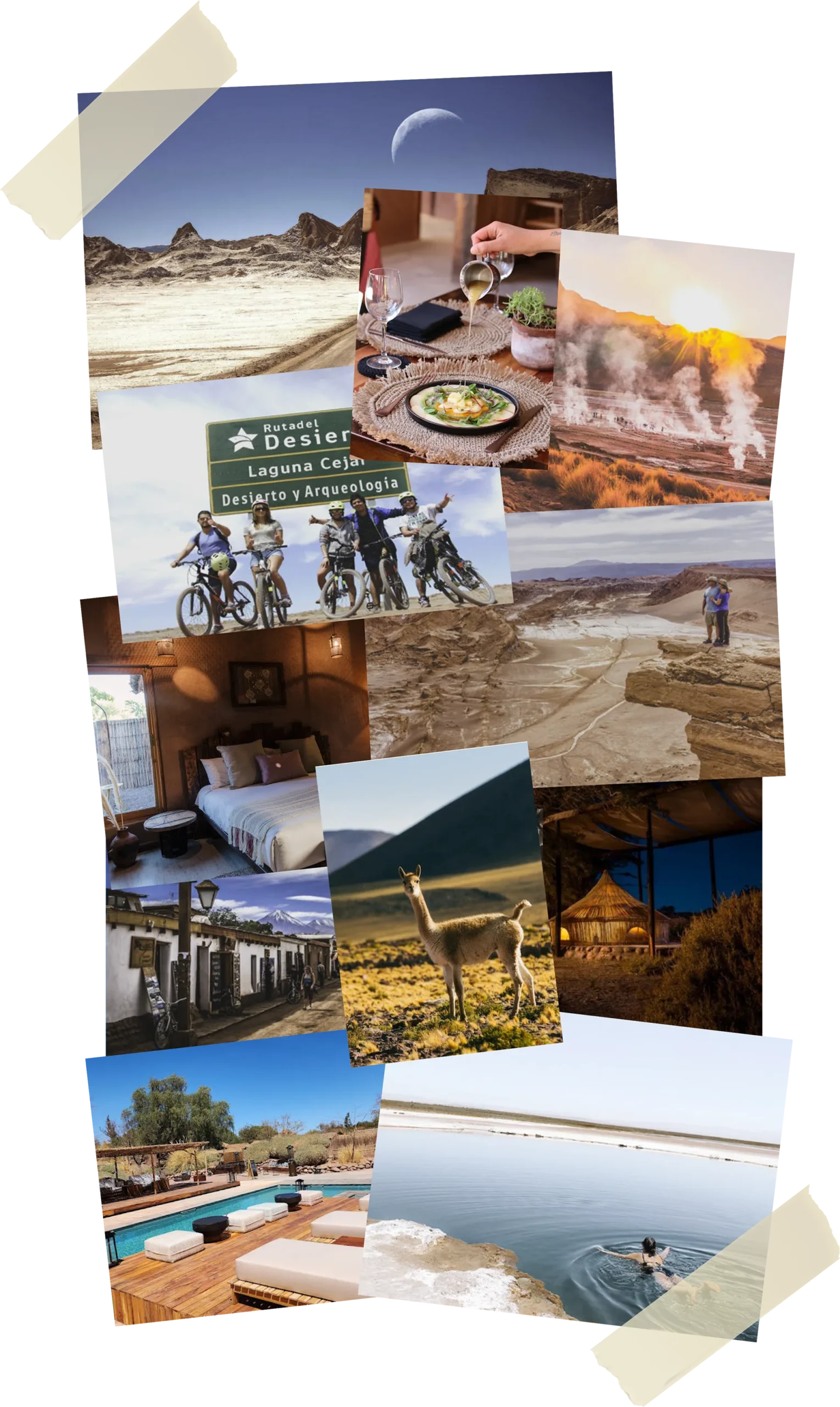
The Atacama Desert is the driest non-polar desert in the world, located in northern Chile. With unique landscapes including salt flats, geysers, volcanoes, and rock formations like the Valley of the Moon and the Valley of Death. It is also a prime location for stargazing due to its clear skies and low light pollution. San Pedro de Atacama is the main base for exploring this fascinating region.
The Atacama Desert is the driest non-polar desert in the world, located in northern Chile. With unique landscapes including salt flats, geysers, volcanoes, and rock formations like the Valley of the Moon and the Valley of Death. It is also a prime location for stargazing due to its clear skies and low light pollution. San Pedro de Atacama is the main base for exploring this fascinating region.
Culture: The Atacama Desert is home to indigenous Atacameño communities that have inhabited the region for thousands of years. Visitors can learn about their history and traditions at archaeological sites and local villages.
Climate: The climate is extremely arid, with warm daytime temperatures and cold nights. Rainfall is very scarce, contributing to its clear skies.
Type of Clothing Needed: Light, breathable clothing for the day, layers for the cooler evenings, sun protection (hats, sunglasses, sunscreen), and comfortable walking shoes.
Uyuni Salt Flat,
Bolivia
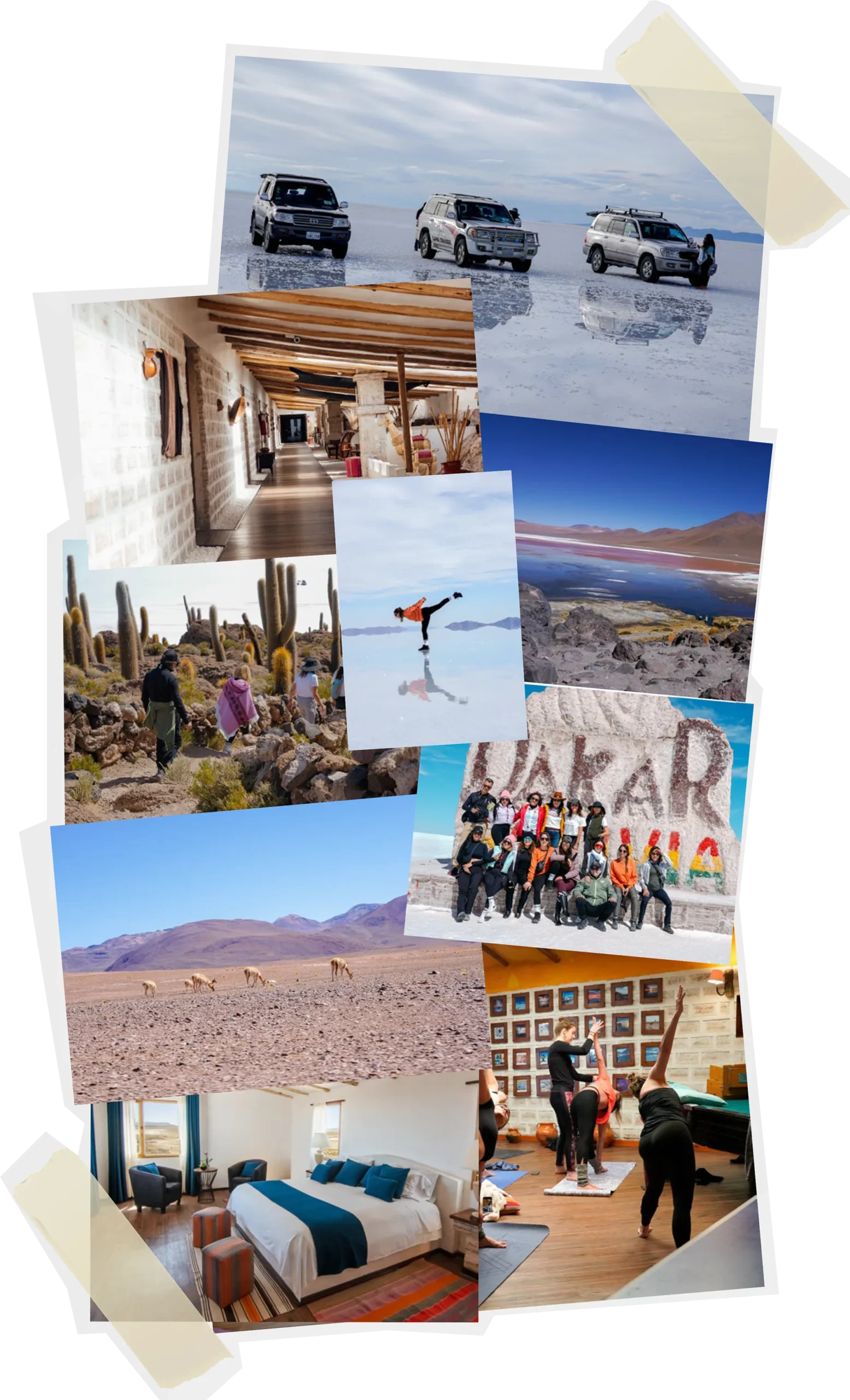
Salar de Uyuni is the world’s largest salt flat, located in southwest Bolivia. It stretches over 10,000 square kilometers and offers a surreal landscape, especially during the rainy season when a thin layer of water turns the salt flat into a giant natural mirror. The area is also known for its salt hotels, train graveyard, and Isla Incahuasi, an oasis full of giant cacti in the middle of the salt flat.
Culture: Salar de Uyuni is a culturally rich region with Aymara indigenous in fluences. Tourists can explore traditional villages and local markets to learn more about their customs.
Climate: The climate is cold and dry, with significant temperature differences between day and night. The rainy season runs from November to March, creating the mirror effect on the salt flat.
Type of Clothing Needed: Warm clothing, including thermal layers, windproof jackets, hats, gloves, and sturdy boots, to cope with the cold temperatures and varying weather conditions.
Cusco & MachuPicchu,
Peru
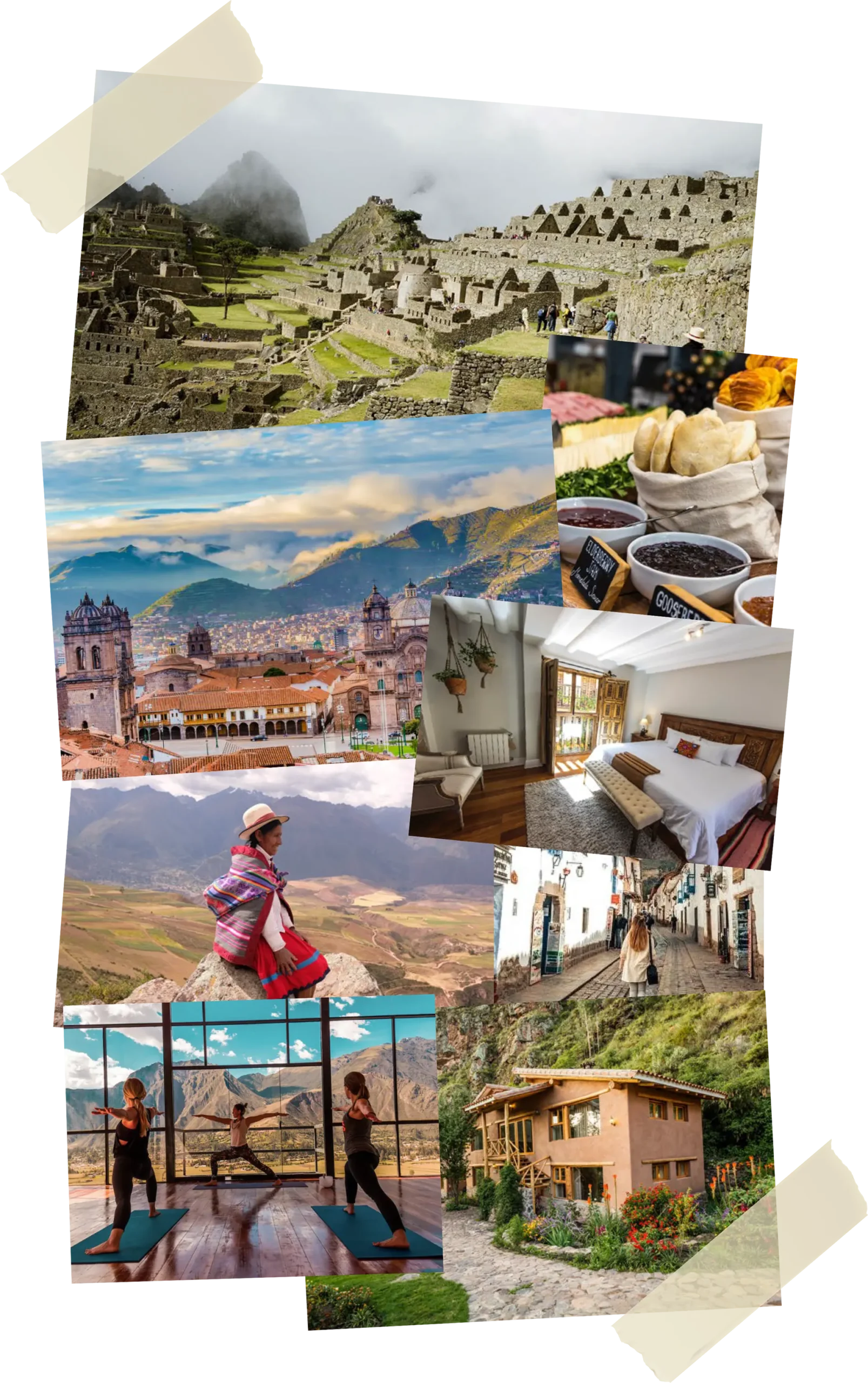
Cusco, the ancient capital of the Inca Empire, is a vibrant city that combines Inca heritage and Spanish colonial architecture. Its narrow cobblestone streets, ancient temples, and colorful markets make Cusco a fascinating destination. From here, you can access Machu Picchu, the iconic Inca citadel located atop a mountain in the Andes. Machu Picchu, one of the New Seven Wonders of the World, offers an unforgettable experience with its well-preserved structures and stunning views.
Culture: Cusco is a vibrant cultural center, famous for its festivals, traditional dances, and artisan markets. Inti Raymi, or the Festival of the Sun, is one of the most important festivals.
Climate: Cusco has a temperate climate, with a dry season from May to September and a rainy season from November to March. Machu Picchu is warmer and more humid, with frequent rains.
Type of Clothing Needed: Comfortable, breathable clothing for walking, waterproof jackets for rain, sun protection (hats, sunglasses), and good walking shoes or hiking boots.
Amazon,
Peru
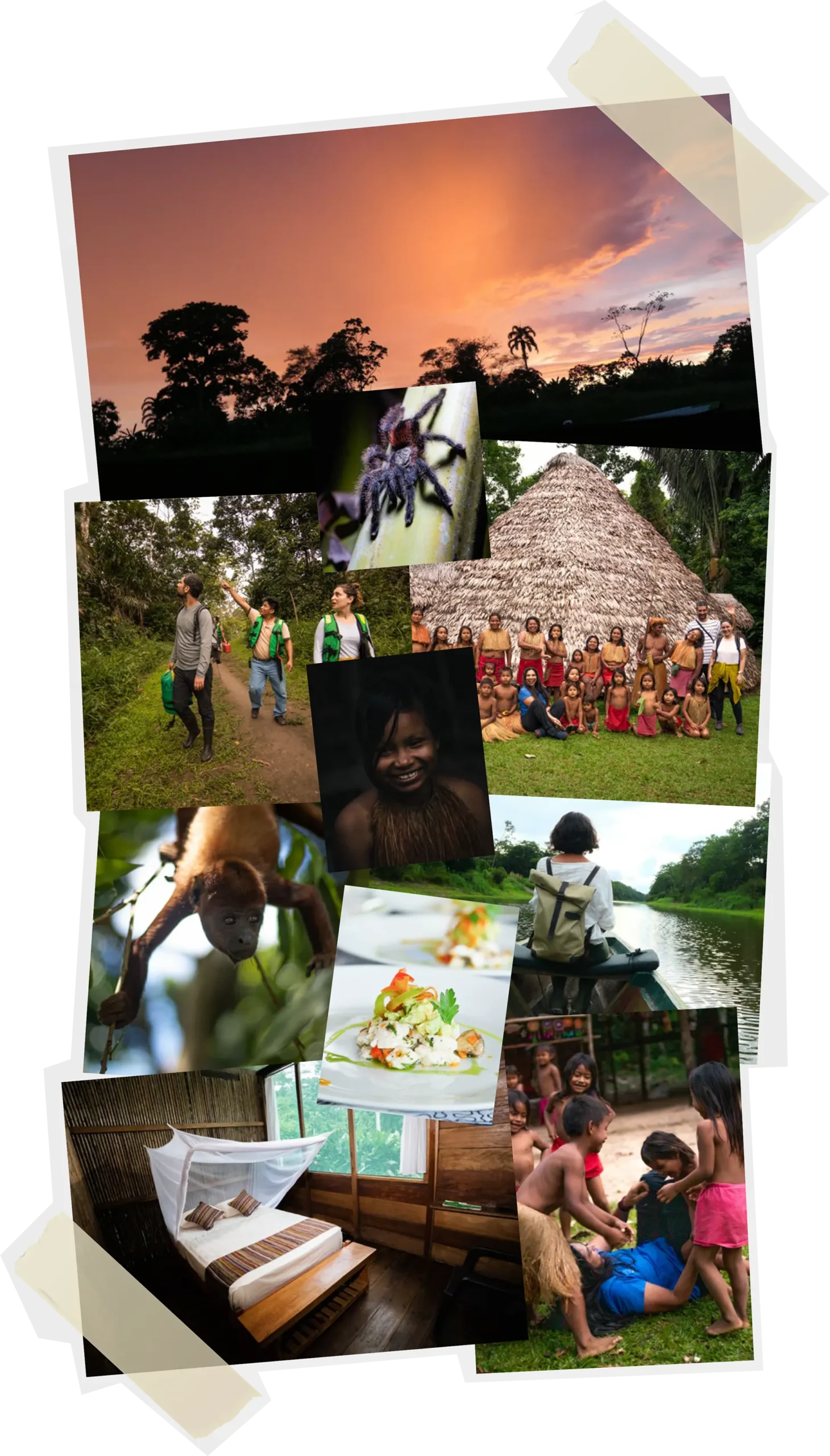
The Amazon region of Peru is a vast tropical rainforest that hosts incredible biodiversity. Puerto Maldonado and Iquitos are the main gateways for exploring the Peruvian Amazon. Visitors can embark on river expeditions, stay in jungle lodges, and engage in activities like bird watching, visits to indigenous communities, and jungle treks. The Peruvian Amazon is rich in flora and fauna, including species like jaguars, pink dolphins, monkeys, and a wide variety of birds.
Culture: The Peruvian Amazon is home to numerous indigenous communities, each with their own languages and traditions. Visitors can learn about their way of life and worldview.
Climate: The climate is warm and humid year-round, with average temperatures of 26 – 8°C. The rainy season runs from November to April, while the dry season is from May to October.
Type of Clothing Needed: Lightweight, breathable clothing, long sleeves and pants for mosquito protection, waterproof gear for rain, hats, and comfortable shoes for trekking.
Mancora,
Peru
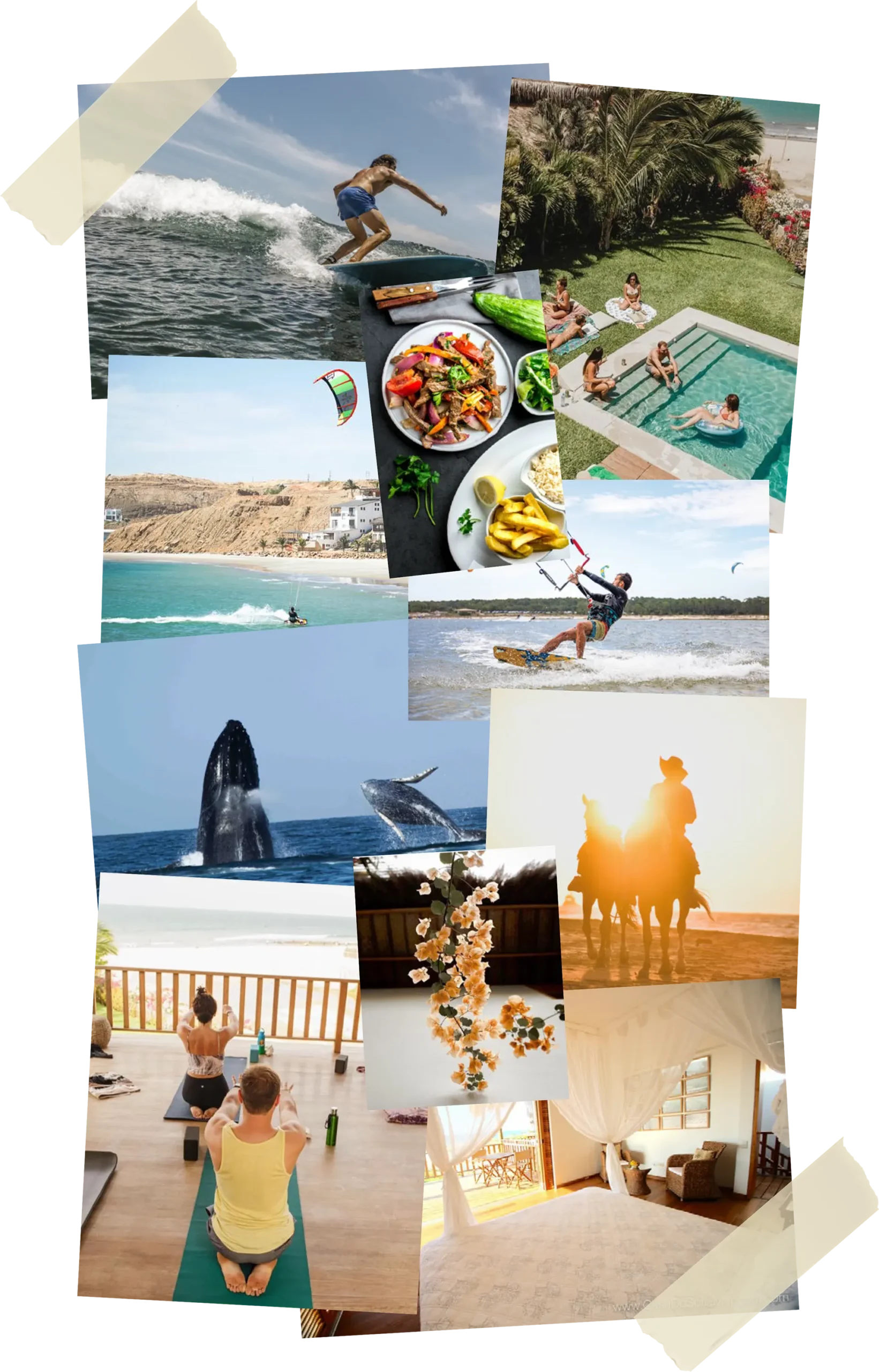
Máncora is a popular coastal destination in northern Peru, known for its white sandy beaches, warm waters, and excellent surfing conditions. It is an ideal place for those looking to enjoy the sun, sea, and vibrant nightlife. Máncora offers a variety of accommodations, from budget hostels to luxury resorts. Additionally, the local cuisine, especially seafood and ceviche, is a delight for visitors.
Máncora is a popular coastal destination in northern Peru, known for its white sandy beaches, warm waters, and excellent surfing conditions. It is an ideal place for those looking to enjoy the sun, sea, and vibrant nightlife. Máncora offers a variety of accommodations, from budget hostels to luxury resorts. Additionally, the local cuisine, especially seafood and ceviche, is a delight for visitors.
Culture: Máncora has a relaxed and vibrant culture, influenced by surfing and tourism. Local fishermen and their lifestyle also form an integral part of the community.
Climate: The climate is warm and sunny year-round, with temperatures ranging between 24°C and 30°C. The region has a prolonged dry season, with few rains concentrated between December and March.
Type of Clothing Needed: Light, breathable clothing, swimwear, sun protection (hats, sunglasses, sunscreen), and comfortable sandals or flip-flops.